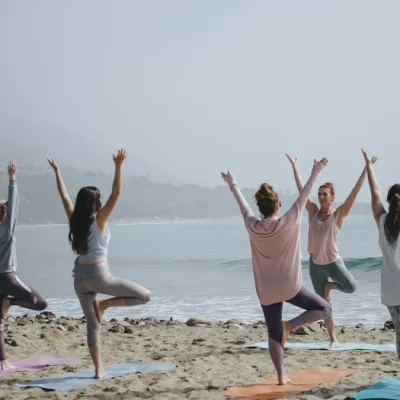


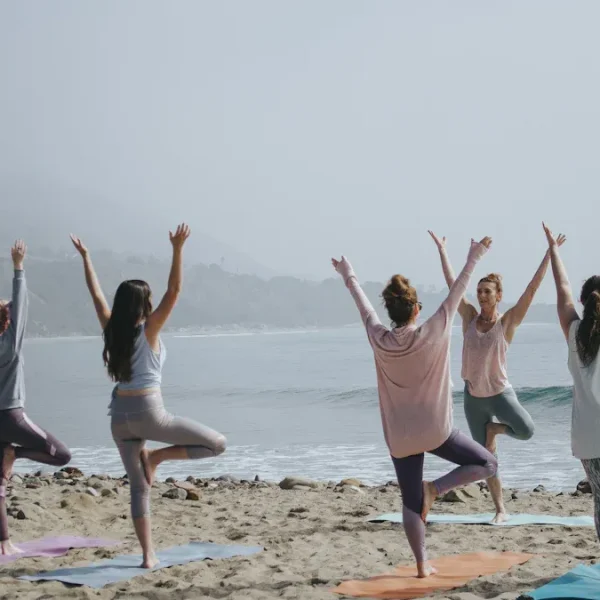
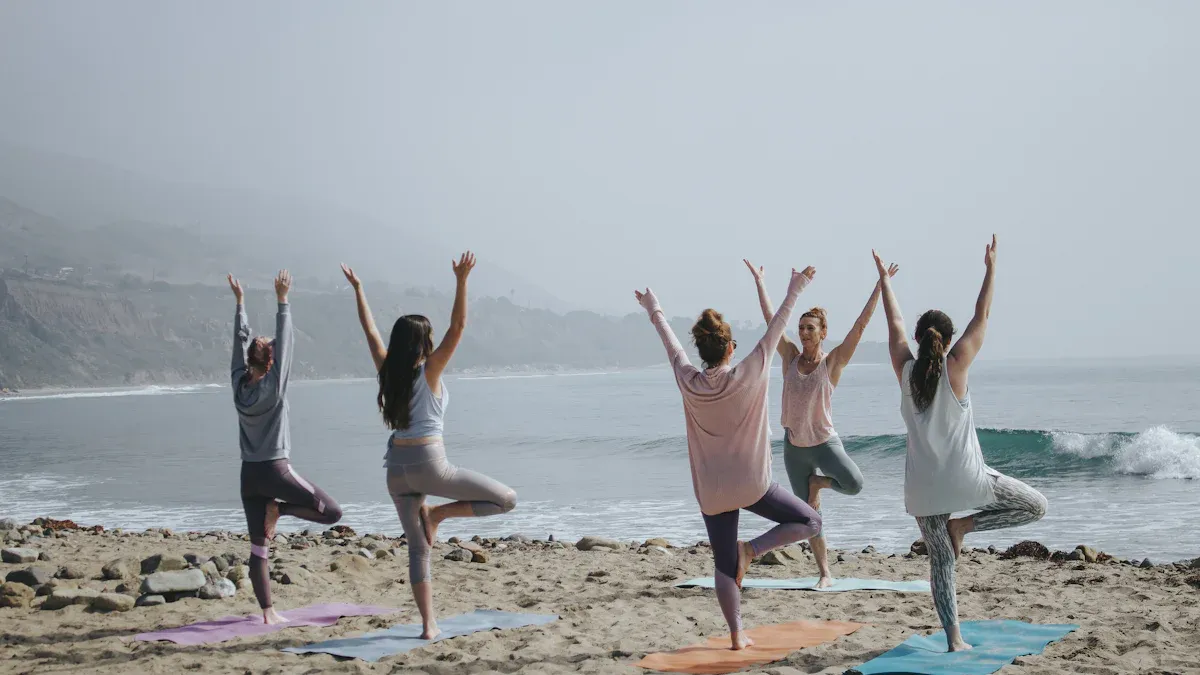
You might wonder what is fitness in today’s world. Fitness now means more than looking strong or running fast. It covers your health, well-being, and how well you can handle daily tasks. Modern fitness uses technology and special training to track progress, while older methods focus on simple exercises for overall health. Many people still struggle to meet fitness goals.
Age Group | Percentage Meeting Guidelines | Sample Size |
|---|---|---|
Adults ≥18 years | 17.12% (95% CI 15.42–18.88%) | 3,346,723 |
Adolescents 12–17 years | 19.74% (95% CI 14.72–25.31%) | 43,278 |
Fitness is a set of attributes you can build. It helps you feel better and live a more active life.
Key Takeaways
Fitness today means more than just looking good. It includes your health, well-being, and ability to handle daily tasks.
Regular exercise improves not only your body but also your mind. It boosts your mood, reduces stress, and helps you sleep better.
Aim for at least 150 minutes of moderate activity each week. You can break this into shorter sessions to fit your schedule.
Daily habits like eating healthy, staying active, and taking breaks from sitting can greatly improve your overall fitness.
Fitness is personal. Focus on how you feel and what you can do, not just how you look.
What Is Fitness?
Defining Fitness Today
You might wonder what fitness means today. Fitness is not just about being strong or thin. Experts say fitness is about health, well-being, and how your body works each day. Fitness means you can move well, think clearly, and handle stress. You build fitness by working on your heart, muscles, flexibility, and mind.
Culture and society also affect how you see fitness. In some places, people help each other stay active. In other cultures, rules about gender can stop some people from exercising. Technology, family, and beliefs also shape your fitness journey. When you learn what fitness is, you see it is about many parts of life, not just your body.
Fitness vs. Appearance
Some people think fitness means looking fit. This idea is common, but it is not right. Fitness is about how your body works, not just how it looks. Scientists use special ways to study the difference between fitness and appearance. The table below shows what they found:
Aspect | Findings |
|---|---|
Method | Instrumental Variable (IV) method used to isolate confounders between exercise and appearance. |
Key Finding | Physical exercise significantly enhances physical appearance scores. |
Psychological Mechanism | Increased self-confidence and reduced anxiety from exercise can enhance outward charm. |
Physiological Mechanism | Regular exercise decreases body fat, increases muscle mass, and improves skin hydration. |
Individual Differences | Genetic and metabolic factors can limit changes in body shape despite exercise. |
Exercise can help you look better, but it also helps you feel better inside. Some people may not see big changes in their body shape because of genetics or metabolism. Fitness is different for everyone. You should care about how you feel and what you can do, not just how you look.
There are still many myths about fitness. Here are some common ones:
Stretching before workouts is needed. Studies show stretching may not stop injuries and can make muscles weaker for a short time.
Heavy weights are needed for muscle growth. Lighter weights with more reps can also build muscle.
Running hurts your knees. Research says running may protect your knees.
Walking is enough for older adults. Experts say strength training is also important to stop muscle loss as you get older.
Fitness in Daily Life
Fitness helps you live better every day. When you ask what fitness is, you find out it means doing daily tasks easily and safely. Good fitness lets you walk, lift, and play without pain or getting tired. It also helps your mind stay sharp and your mood stay good.
Here are ways fitness helps your daily life:
Musculoskeletal fitness helps older adults stay independent.
Strong muscles lower your risk of disability and diseases.
High muscular strength means you move better and have less chance of diseases like diabetes and stroke.
Better fitness improves movement, mental health, and life quality.
Special muscle exercises help frail older adults the most.
You can build fitness by moving more, eating healthy, and caring for your mind. When you work on all parts of fitness, you get stronger, healthier, and happier.
Components of Fitness
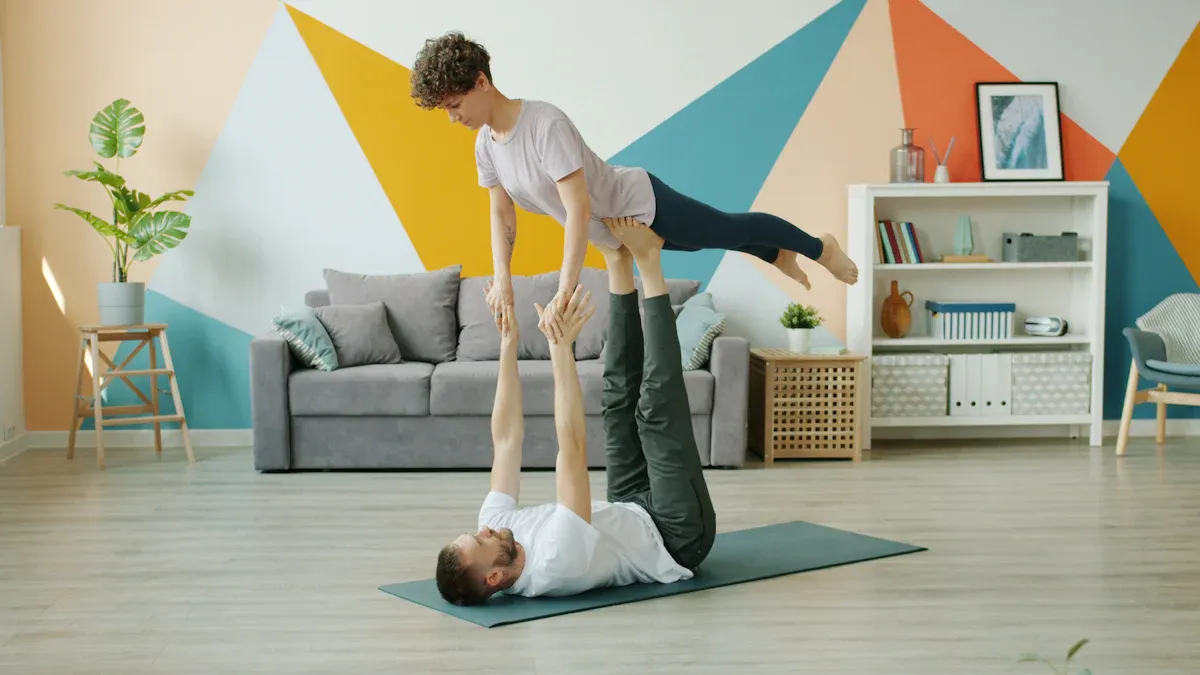
Knowing the parts of fitness helps you understand what fitness means. Each part works together to help your health and movement. You should learn how these parts affect your body and mind.
Component | Description |
|---|---|
Cardiorespiratory fitness | The ability of the heart and lungs to supply oxygen to the muscles during sustained physical activity. |
Musculoskeletal fitness | The strength and endurance of muscles and bones, essential for daily activities. |
Flexibility | The range of motion available at a joint, important for mobility and injury prevention. |
Balance | The ability to maintain stability and control of body position, crucial for overall functional fitness. |
Cardiovascular Health
Cardiovascular health is very important for fitness. Your heart and lungs send oxygen to your muscles. When you move, your body needs more oxygen. Good cardiovascular health lets you walk, run, or play longer.
Doing regular exercise makes your cardiovascular health better. This helps your fitness and lowers your risk of diseases. People who move every day can have lower heart rates. Their hearts work better and their blood pressure goes down. These things help your heart and lower your risk of heart disease and diabetes.
You can improve your cardiovascular health by following these tips:
Adults should do 150 minutes of moderate activity each week.
Or, do 75 minutes of hard activity, or mix both.
Do muscle-strengthening activities at least 2 days a week.
Keeping your heart healthy lowers your risk of heart disease and diabetes. You also feel more energetic and ready for daily life.
Strength and Endurance
Strength and endurance help you lift, carry, and move things. Muscular strength is how much force your muscles make in one try. Muscular endurance is how long you can keep going without getting tired.
Training Type | Benefits |
|---|---|
Strength Training | – Outperforms endurance-trained and non-athlete counterparts in muscle strength. |
– Suggests an ‘anti-aging’ effect, mirroring performance of younger adults. | |
– Associated with a higher percentage of type II muscle fibers, crucial for strength. | |
Endurance Training | – Enhances muscle strength and rate of force development compared to recreationally active peers. |
– Promotes rapid force application but does not maximize strength to the levels of strength training. | |
– Linked to superior aerobic capacity (VO2 max) compared to strength-trained older adults. | |
– May preserve neuromuscular connectivity and efficiency, enhancing overall physical performance. |
Strength training helps you stay independent as you get older. Endurance training helps you do activities for longer. Both types keep your muscles and heart strong. You can use weights, bands, or your own body weight. Functional strength training helps you move better and changes your body shape.
Exercise Type | Repetitions | Key Findings |
|---|---|---|
Strength Zone | 1 to 5 | Optimal gains in strength through neuromuscular adaptations; higher muscle activation with heavy loads. |
Functional Strength | N/A | Significant improvements in strength and endurance in athletes through a structured training program. |
You need strength and endurance for things like climbing stairs or carrying groceries. These parts of fitness show how your body works in real life.
Flexibility and Mobility
Flexibility means your joints and muscles can move all the way. Mobility is how easily you can move. Both help you avoid injuries and stay active.
Independence: Better mobility helps older adults do things on their own.
Fall Prevention: Good balance and flexibility lower the chance of falling.
Injury Prevention: Athletes need flexibility to avoid injuries and move well.
You can check flexibility with tests like the Sit and Reach Test. Stretching, yoga, tai chi, swimming, and walking help you get more flexible. These activities help you move better and lower your risk of getting hurt.
Flexibility is checked with tests for each joint and muscle group.
The Sit and Reach Test measures hamstring and lower back flexibility. Results are compared to age and gender norms.
To get more flexible, stretch and do exercises for different joints and muscles.
Yoga, tai chi, swimming, and walking help people of all ages get more flexible.
Body Composition
Body composition is the amount of fat and muscle in your body. It affects your health, energy, and risk for diseases. Healthy body composition means more muscle and less fat.
Method | Description | Advantages | Disadvantages |
|---|---|---|---|
Hydrostatic Weighing | Uses water displacement to determine body density and estimate body fat. | Considered a gold standard; accurate for body fat estimation. | Not portable; time-consuming; requires comfort in water. |
Air Displacement Plethysmography | Measures air displacement to determine body density. | Portable; quick; easy to operate. | Expensive; may cause claustrophobia; small compartment size. |
Dual X-ray Absorptiometry (DEXA) | Scans body using low-dose X-rays to assess fat and lean mass. | Quick; minimal technician error; controls for bone density. | Expensive; potential radiation exposure; not suitable for pregnant individuals. |
Bioelectric Impedance Analysis | Measures electrical impedance to estimate body fat. | Increasingly popular; can monitor changes over time. | Less accurate in commercial machines; hydration status affects results. |
Too much fat, especially near your organs, raises your risk for diabetes and heart disease. Lean mass helps you stay strong and move well. You can measure body composition with DEXA, BIA, or hydrostatic weighing.
Outcome | aHR (Females) | aHR (Males) | Notes |
|---|---|---|---|
DM | 2.16 (top fifth percentile) | 1.84 (top fifth percentile) | High VAT and SMFF associated with higher risk |
MACE | 1.37 (top fifth percentile) | 1.22 (top fifth percentile) | Excess adiposity is a key driver of disease |
Keeping a healthy body composition lowers your risk of diseases and gives you more energy. It also helps you feel stronger and more sure of yourself.
Doing regular exercise is important for your health. It includes aerobic and strength training. These activities help your heart, control your weight, and make your mind healthier.
When you work on all parts of fitness, you build a strong base for health and daily life. You learn what fitness is by seeing how each part helps you move, feel, and live better.
Fitness in Modern Life
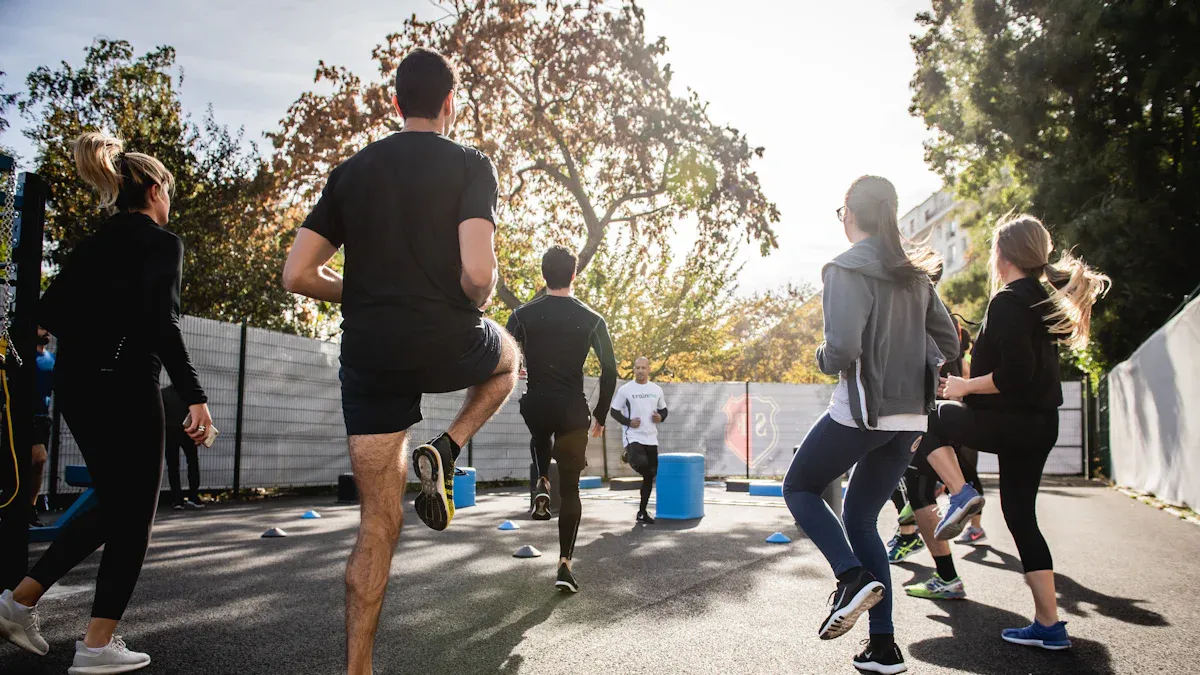
Physical Activity vs. Exercise
You may think physical activity and exercise are the same. Health experts say they are not. Physical activity is any movement that uses energy. This includes walking to school or cleaning your room. Exercise is a special kind of physical activity. You plan it, repeat it, and do it to get fitter. The table below shows how they are different:
Term | Definition |
|---|---|
Physical Activity | Any bodily movement produced by skeletal muscles resulting in energy expenditure. |
Structured Exercise | A planned, structured, and repetitive subset of physical activity aimed at improving or maintaining physical fitness. |
Modern life gives us more ways to move and sit. You might walk or bike more than people did before. But you also spend more time sitting at screens. This mix changes your fitness.
Evidence Type | Description |
|---|---|
Increased Physical Activity | Recent generations show higher participation in leisure time physical activity and active commuting. |
Sedentary Behavior | There is a significant rise in sedentary behavior among modern lifestyles, negatively impacting overall fitness levels. |
Cohort Effects | Recent generations are more active yet also more sedentary, highlighting a duality in lifestyle impacts. |
You can reach fitness goals by moving more each day. The CDC says you need at least 150 minutes of moderate activity every week. You can split this into short sessions. Short sessions work as well as longer workouts.
Everyday Fitness Habits
You build fitness with daily habits. Simple actions help you stay healthy and strong. Here are some habits that help a lot:
Eat breakfast to start your metabolism.
Plan meals to control your diet.
Drink water for health and energy.
Take exercise breaks to boost your mood.
Go offline to move more and rest your mind.
Learn new skills to keep your brain sharp.
Enjoy a hobby for better mood and health.
Practice balance every day to prevent falls.
Listen to your body to avoid injuries.
Daily habits shape your health for life. Research shows regular activity, good food, and healthy weight lower your risk for diseases. These habits help you live longer and feel better.
Mental and Emotional Well-Being
Fitness is not just about your body. It helps your mind and feelings too. Moving often improves your mood and lowers stress. Exercise helps you sleep better and feel more confident. The table below shows how fitness helps your mental health:
Benefit | Description |
|---|---|
Improved Mood | Physical activity is linked to better mood and quality of life. |
Reduced Anxiety | Exercise relieves tension and stress. |
Alleviation of Depression | Activity lowers depression symptoms and boosts self-concept. |
Enhanced Sleep | Exercise helps you sleep better, which is important for mental health. |
Improved Body Image | Regular movement improves how you see yourself. |
Management of Cravings | Activity helps control cravings for unhealthy substances. |
Attenuation of Psychotic Symptoms | More movement may help reduce some symptoms and treat related disorders. |
You feel happier and more stable when you move often. Exercise lowers stress hormones and helps your body handle challenges. You build strength in your mind and emotions with regular activity.
Fitness today means more than just looking good. You build true fitness by caring for your body, mind, and daily habits. Recent research shows that using technology, balanced nutrition, and self-care helps you understand your health better. Experts suggest you aim for regular exercise, eat a variety of healthy foods, and manage stress. Start small, set realistic goals, and keep track of your progress. Each step you take brings you closer to a balanced, healthy life.
FAQ
What is the best way to start getting fit?
You can begin with short walks or simple exercises at home. Try to move every day. Set small goals. Track your progress. Celebrate each step. 🏃♂️
How much exercise do you need each week?
Experts recommend at least 150 minutes of moderate activity weekly. You can split this into shorter sessions. Every bit counts toward better health.
Can you improve fitness without going to a gym?
Yes! You can use your body weight for exercises like squats or push-ups. Walk, bike, or dance at home. Everyday movement helps you get stronger.
Does fitness help your mental health?
Regular activity boosts your mood. You feel less stressed and sleep better. Exercise helps you think clearly and feel more confident.
What should you eat to support fitness?
Food Group | Example Foods |
|---|---|
Fruits | Apples, bananas |
Vegetables | Carrots, spinach |
Protein | Chicken, beans |
Whole grains | Brown rice, oats |
Eat a mix of these foods. Drink water. Limit sugary snacks.